DÁVGI – Co-creation for Biocultural Diversity in the Arctic
Gatherings, publications, and other outputs to bridge academic and Indigenous knowledge for the benefit of biocultural diversity in the Arctic.

Categories
ProjectDate
February 2022 – December 2023Funders
Bundesministerium für Umwelt, Naturschutz, nukleare Sicherheit und Verbraucherschutz (BMUV)Links
https://www.rifs-potsdam.de/en/blog/2022/11/davgi-bridging-academic-and-indigenous-knowledgehttps://www.rifs-potsdam.de/en/blog/2023/04/building-network-sustainable-research-relationships
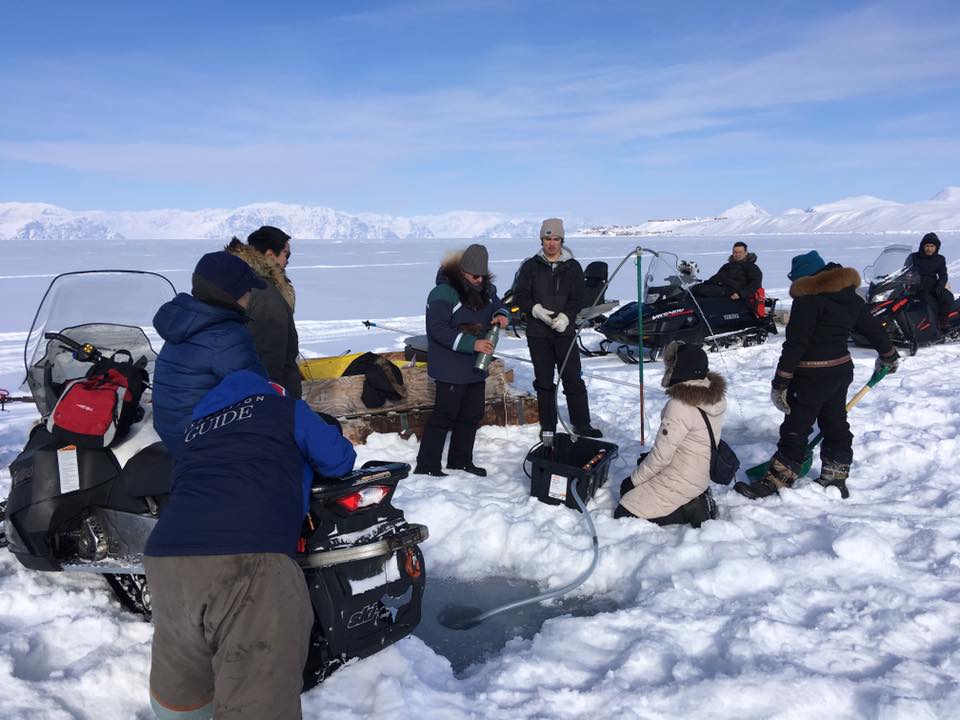
DÁVGI – the Sámi word for ‘bow’ – represents the CO-CREATE collaborative’s aim of bridging academic and Indigenous knowledge by empowering both for the benefit of biocultural diversity in the Arctic. DÁVGI aims to provide a basis for the exchange of knowledge and expertise to improve collaboration between Indigenous rights holders, environmental and other non-governmental organizations, local stakeholders, researchers, and policymakers to strengthen the conservation and restoration of biocultural diversity in the Arctic. This is achieved through establishing and broadening a network for improved collaborative practice and knowledge exchange, co-organizing workshops and other outputs, and creating a platform for knowledge exchange with Arctic communities to enable reflection and mutual learning about collaboration. This project was co-lead by the Saami Council, the Research Institute for Sustainability, and Ecologic Institute.
This website represents the dialogue and relationships that extend before and continue after the project timeline. The project also includes two workshops in Potsdam and Vienna, guidelines for working together, a policy brief, stories exploring co-creation, and an international gathering. These outputs explore and develop the conditions for fruitful collaborations between communities, rights-holders and scientific research to strengthen the conservation and restoration of biocultural diversity in the Arctic.
Contributors